
availbility of raw material for cement manufacture manufacturer Grasping strong production capability, advanced research strength and excellent service, Shanghai availbility of raw material for cement manufacture supplier create the value and bring values to all of customers.
 WhatsApp)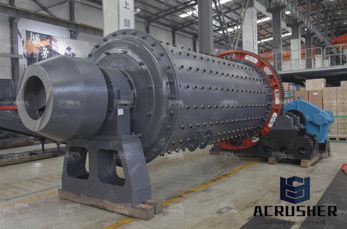
Chapter 2: Raw materials for cement manufacture The first step in the manufacture of cement is to combine a variety of raw ingredients so that the resulting cement will have the desired chemical ...
Selecting and using raw materials for cement manufacture Course Introduction and approach A new, instant access, online course, comprising of 14 lectures covering all aspects of raw material exploration, planning, extraction and preparation for use as cement clinker kiln feed.
Feb 19, 2018· The main ingredients used for manufacturing cement are calcium oxide, silica and alumina. Lime stone which is calcium carbonate when heated gives calcium oxide and carbon dioxide. Sand is silicon dioxide or silica. Sand stone is calcium silicate w...
Raw Materials. The basic raw materials used in the manufacture of coloured concrete roof tiles are sand (quarried or river), cement, colour pigment and water. The production of concrete roof tiles adds considerable value to these economic and readily available materials and as a result, the popularity of the product continues to grow in both ...
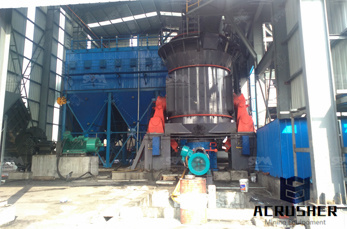
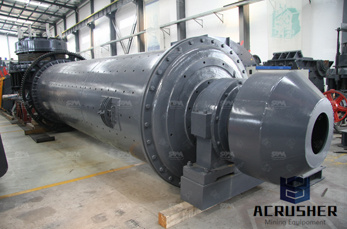
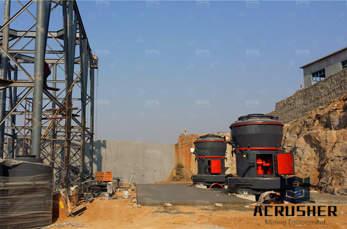
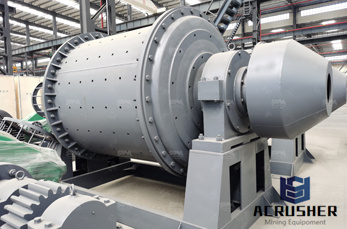
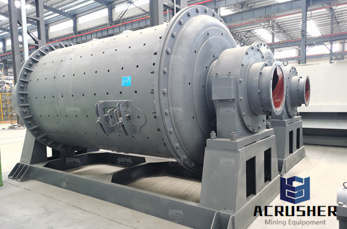
Cement mill for raw material grinding Hongji Ball Mill is a key equipment to grind the crushed materials, which is widely used in the manufacturing industries, such as cement, silicate, new building material, refractory material, fertilizer, ferrous metal, nonferrous metal and glass ceramics.
Technically, a cement producer can have almost complete control over clinker composition by blending raw materials of different compositions to produce the desired result. In practice, however, clinker composition is largely determined by the compositions of the locally-available raw materials which make up the bulk of the raw meal.
A cement is a binder, a substance used for construction that sets, hardens, and adheres to other materials to bind them together. Cement is seldom used on its own, but rather to bind sand and gravel together.Cement mixed with fine aggregate produces mortar for masonry, or with sand and gravel, produces concrete.Cement is the most widely used material in existence and is only behind water as ...
The raw materials which supply cement works, and which may be required in quantities of over 4,000 tonnes per day, must be thoroughly proven if the plant is to run successfully. Consistent quality feed is required and an extraction plan must be made to ensure that a uniform flow of raw material will always be available to the kilns.
CEMENT MANUFACTURING RAW MATERIALS. Charah Solutions is committed to providing our customers with a complete portfolio of high-quality raw materials and byproducts for cement and concrete manufacturing including alumina source materials and supplementary cementitious materials (SCMs). Plus, the strength of our global network provides a ...
The output of waste materials suitable as cement replacement (slags, fly ashes, silica fumes, rice husk ash, etc.) is more than double that of cement production. These waste materials can partly be used, or processed, to produce materials suitable as aggregates or fillers in concrete. These can also be used as clinker raw materials, or ...
2002 to 2005, steel prices skyrocketed 50% (1). Price swings like these throughout the raw materials sector have placed a renewed spotlight on the implications that raw materials can have on a firm and supply chain operations. The importance of raw materials is obvious to those stakeholders that operate upstream (Figure
Concrete manufacturers expect their raw material suppliers to supply a consistent, uniform product. At the cement production factory, the proportions of the various raw materials that go into cement must be checked to achieve a consistent kiln feed, and samples of the mix are frequently examined using X-ray fluorescence analysis. ...
Availbility of raw material for cement manufacture. availbility of raw material for cement manufacture availbility of raw material for cement manufacture Cement Production IEAETSAP Jun 3 2010 However in Europe todays new cement plants are all based on the dry process as and climate conditions availability of raw materials and Potential use of ...
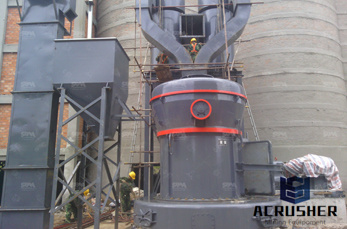
The raw materials needed to produce cement (calcium carbonate, silica, alumina and iron ore) are generally extracted from limestone rock, chalk, clayey schist or clay. Suitable reserves can be found in most countries. These raw materials are extracted from the quarry by blasting. They are then crushed and transported to the plant where they are stored and homogenized.
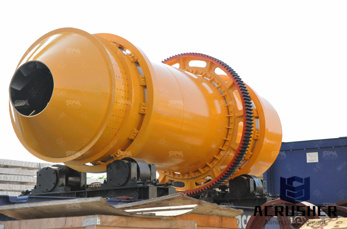
Raw materials used for manufacturing of Portland cement are found naturally in the earth's crust. It is made primarily from calcareous and argillaceous materials and gypsum. Calcareous materials contain limestone or chalk while argillaceous materials comprise an oxide of silica-alumina and iron. Both are found as clay or shale.
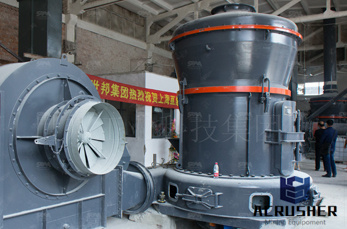
INSTRUCTIONS: Alternative Raw Material SourCes For Cement Production project material. Please, sit back and study the below research material carefully. DO NOT copy word for word. UniProjects aim of providing this Alternative Raw Material SourCes For Cement Production project research material is to reduce the stress of moving from one school library to another all in the name of searching for ...
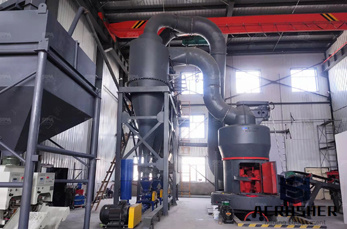
Cement - Cement - Extraction and processing: Raw materials employed in the manufacture of cement are extracted by quarrying in the case of hard rocks such as limestones, slates, and some shales, with the aid of blasting when necessary. Some deposits are mined by underground methods.
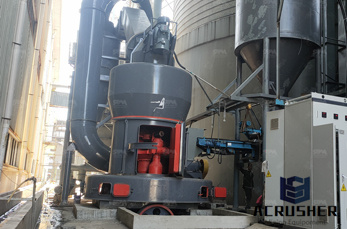
These natural materials are extracted from mines and transported to the cement plant, where they are blended to manufacture the required cement quality. Environmental issues arising from the handling of raw materials, including dust and stormwater runoff, need to be managed at both the mine and cement .
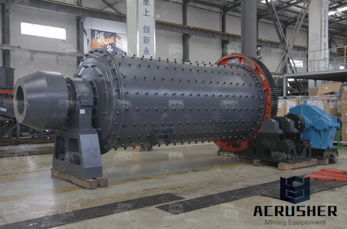
Aug 30, 2012· Cement Manufacturing Process Phase 1: Raw Material Extraction. Cement uses raw materials that cover calcium, silicon, iron and aluminum. Such raw materials are limestone, clay and sand. Limestone is for calcium. It is combined with much smaller proportions of sand and clay. Sand & clay fulfill the need of silicon, iron and aluminum.
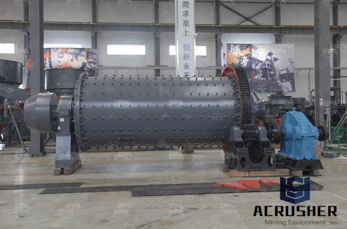
Cement is so fine that 1 pound of cement contains 150 billion grains. The cement is now ready for transport to ready-mix concrete companies to be used in a variety of construction projects. Although the dry process is the most modern and popular way to manufacture cement, some kilns in the United States use a wet process.
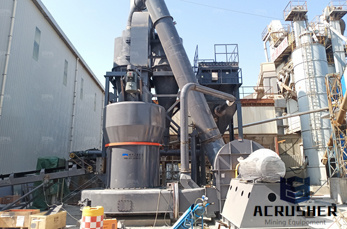
Fiber cement board are composed of cement, silica sand and wood pulp. Reinforced fiber cement products such as fiber cement board are manufactured using the 'Hatscheck Process'. The Hatsheck process was initially developed for the production of asbestos composites, but it is now used for the manufacture of non-asbestos, cellulose fiber reinforced cement composites.
and raw materials in cement kilns. This revised version of the Guidelines for Co-Processing of Fuels and Raw Materials in Cement Manufacturing provides a technical overview of key issues and guiding principles relating to the responsible selection and use of fuels and raw materials in the cement .
Alibaba offers 11,357 raw materials of concrete products. About 2% of these are textile auxiliary agents, 2% are leather auxiliary agents, and 2% are paper chemicals. A wide variety of raw materials of concrete options are available to you, such as anti-bacteria, breathable, and flame retardant.
The co-processing of alternative fuels and raw materials in cement manufacturing to replace fossil fuels and primary raw materials is a longstanding contribution of the sector towards a circular economy and provides an important service to communities in making beneficial use of a range of society's waste and by-products.
WhatsApp)
 Online Chat
 Sales Hotline