
cement production plant and processes manufacturer Grasping strong production capability, advanced research strength and excellent service, Shanghai cement production plant and processes supplier create the value and bring values to all of customers.
 WhatsApp)
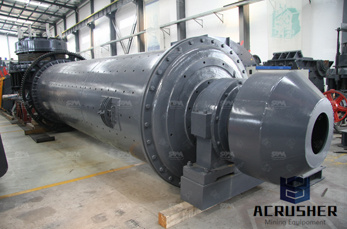
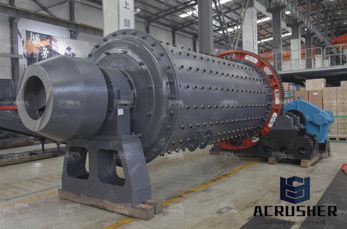
These fans help in effective burning of coal inside the mill. For a large clinker line there are usually 2 or 3 cement mills. Cooler Exhaust Fans. Cooler exhaust fans move 1.8 ton of exhaust air per 1 ton of clinker production. This process is a part of air blown into the cooler by .
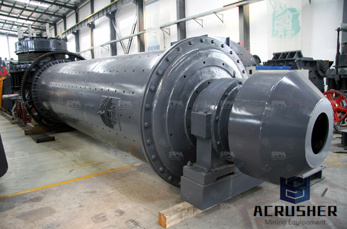
Burning Cement Clinker; Cement Grinding; Cement Packing And Storage; In the cement manufacturing process, most material must be broken, such as limestone, iron ore, clay and coal etc. Limestone is the main raw material for cement production, each producing a ton of clinker needs about 1.3 tons of limestone, more than 80% of raw material is ...
Summary of production process Cement is typically made from limestone and clay or shale. These raw materials are extracted from the quarry crushed to a very fine powder and then blended in .
Cement Plant Manufacturing Process Understanding Of Cement Process Most Common materials which is used to manufacturing cement is includes limestone, shells, and chalk combined with shale, clay, slate, blast furnace slag, silica sand, and iron ore.
Recycled materials in cement . In 2006, the cements manufactured by Lafarge had an average additive content of 23%. These additives were of natural origin, such as limestone and volcanic rock, or industrial origin, for example blast furnace slag (a steel industry by-product) or fly ash (from coal-fired power plants).
The first objective of the course is to give an overview of the process chain within the cement industry. All the main processes involved during cement production will be discussed, including the extraction and processing of raw materials, the combustion process, cement grinding, quality control, and storage, as well as the distribution of cement.
Aug 30, 2012· Cement Manufacturing Process Phase 1: Raw Material Extraction Cement uses raw materials that cover calcium, silicon, iron and aluminum. Such raw materials are limestone, clay and sand. Limestone is for calcium.
Cement manufacturing is a complex process that begins with mining and then grinding raw materials that include limestone and clay, to a fine powder, called raw meal, which is then heated to a sintering temperature as high as 1450 °C in a cement kiln.
cement plants – from the crusher to the dispatch, from the field level and production control level to the enterprise level. Your benefit: considerably lower life cycle costs for the plant, shorter time-to-market and consequent improvement of your competi-tiveness. Industry Su Process know-how On the basis of our comprehensive industry know-how,
Previous Post Next Post Contents1 Cement Manufacturing Process2 IF YOU NEED THIS GUIDE AND ALL OTHER USEFUL EXCEL SHEETS WHICH WILL MAKE YOU MASTER THE PRODUCTION, PROCESS, MAINTENANCE ACTIVITY IN YOUR CEMENT PLANT KINDLY CLICK HERE 2.1 Raw Material Preparation and Raw Meal Design Cement Manufacturing Process by TIZITA MOGES, SELAMU ABULE . Cement Manufacturing Process .
The principal raw material required for cement manufacturing is Limestone. Limestone is mined from the mines by blasting explosives and is transported from the mining area to the process plant and then fed into a primary hopper from where the limestone bolder is fed to the primary crusher (Jaw Crusher) with the help of a reciprocating feeder.
Aug 17, 1971· Portland cement manufacturing plants are part of hydraulic cement manufacturing, which also includes natural, masonry, and pozzolanic cement. The six-digit Source Classification Code (SCC) for portland cement plants with wet process kilns is 3-05-006, and the six-digit SCC for plants with dry process kilns is 3-05-007.
Aug 17, 1971· Classification Code (SCC) for portland cement plants with wet process kilns is 3-05-006, and the six-digit SCC for plants with dry process kilns is 3-05-007. Portland cement accounts for 95 percent of the hydraulic cement production in the United States. The balance of domestic cement production is primarily masonry cement. Both of these ...
Plants Overview & Capacities; Sustainability. Environment; Health & Safety; Knowledge Base. A to Z of cement; Measuring Cement Quality; Cement Manufacturing Process; Good Construction Practices; House Construction Calculator; Investor Relations. Shareholding Pattern; Quaterly Financial Results / Annual Reports; Investor Relations Presentations ...
Here, local authorities often offer subsidies for waste processing, bringing added economic benefits to the cement plant operations. With cement production processes consuming such a large amount of energy, the opportunity is clear for cement plant operators to introduce alternative fuels co-processing to their combustion and production processes.
Manufacturing of cement involves various raw materials and processes. Each process is explained chemical reactions for manufacture of Portland Cement. Cement is a greenish grey colored powder, made of calcined mixtures of clay and limestone.
The heated air from the coolers is returned to the kilns, a process that saves fuel and increases burning efficiency. After the clinker is cooled, cement plants grind it and mix it with small amounts of gypsum and limestone. Cement is so fine that 1 pound of cement contains 150 billion grains.
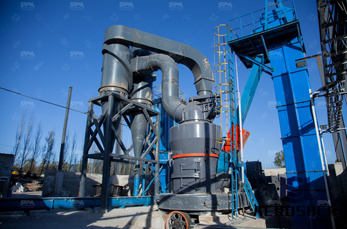
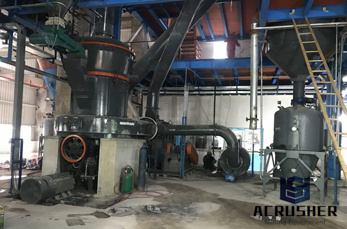
Cement manufacturing process comprises o f crushing, grinding, raw meal prepa ration, kiln burning and cement production basically. The following fig ure shows the process flow of a typical cem ent
Process Discretion: Wet process, Semi-dry process, Dry process and Finish process. The environmental im pact of the cement production and its variations between different cement plants.
Process Solutions to Meet Cement Needs Efficient Design and Operation. A standard approach to process control reduces engineering risks and is easier to operate, maintain and modify. The PlantPAx ® distributed control system (DCS) is a plant-wide, scalable, secure and information-enabled process solution. Perfect for new installations and DCS ...
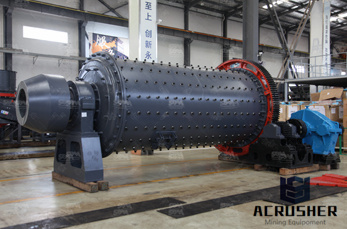
Cement plant locations and information on United States can be found below. For full access to the database, purchase The Global Cement Report™, 13th Edition.
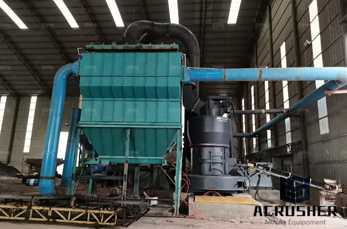
Cement production processes can be categorized as dry, semidry, semiwet, and wet processes depending on the handling of raw material before being fed to the rotary kiln. Nowadays, almost all new plants are based on the dry process and many old wet plants are also remodeled to dry or semidry processes.
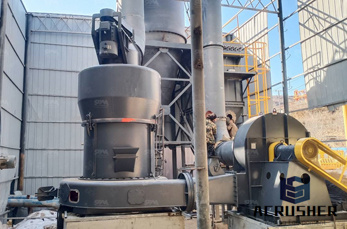
Cement is the largest man-made material in the world. With the global population set to hit 8 billion soon, the demand for cement is about to skyrocket to unprecedented levels. However, cement manufacturing is linked inexorably to the ongoing phenomenon of climate change. Greenhouse gases like CO2 trap the sun's heat and cause the average temperature to increase in the world.
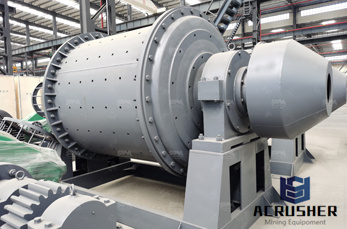
Few construction projects can take place without utilizing cement somewhere in the design. Annual cement industry shipments are currently estimated at $7.5 billion for 2012; up from $6.6 billion in 2011. U.S. cement production is widely dispersed with the operation of 107 cement plants in 36 states.
WhatsApp)
 Online Chat
 Sales Hotline